Ads
Thousands of seniors across the country are reclaiming their smiles through free dental implant trial programs — and spots in your area may still be open.
Senior Dental Program Guide
Free Dental Implants for Seniors — What the Trial Program Actually Covers
A growing number of seniors are discovering that certain trial and assistance programs can cover complete dental implant treatment at little or no out-of-pocket cost. Understanding how these programs work, who qualifies, and what to expect is the smartest first step before scheduling anything.
Ads
Most people assume dental implants are simply out of reach. A full-mouth restoration can cost anywhere from $20,000 to $50,000 when paid out of pocket — and standard dental insurance often covers little to none of it. That pricing reality has kept millions of seniors living with missing teeth, uncomfortable dentures, or untreated bone loss for years.
What many don't realize is that trial programs, subsidized care initiatives, and clinical partnerships are actively changing that picture for people who qualify. Some seniors are completing full dental implant treatment and paying nothing — or close to it — because they found the right program at the right time.
This page explains what those programs look like, what they actually cover, how eligibility is typically determined, and what steps seniors can take to find out whether a spot is still available in their area.
What Is the Program
Programs that cover implants are rebuilding full smiles at no cost
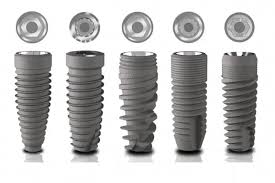
Dental implant trial programs exist in two main forms. Some are run by accredited dental schools, where supervised residents perform implant procedures at dramatically reduced rates. Others are sponsored by manufacturers, clinical networks, or government-backed senior care initiatives that subsidize the cost of treatment in exchange for patient participation in outcome tracking.
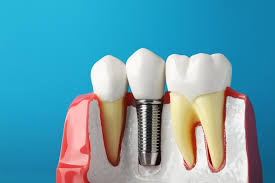
In both cases, the actual implant procedure — the titanium post, the abutment, and in many cases the final crown — is covered at little or no cost to the senior patient. The clinical quality is equivalent to what a private practice would provide, because the procedures follow the same protocols and are often performed by the same licensed specialists.
The key difference is timing. These programs have limited enrollment windows, and availability depends heavily on location. Once spots are filled, the next opening may be months away — which is why checking eligibility sooner rather than later tends to make a real difference.
The $0 Cost Explained
What normally costs $20,000 — and why the program changes that
Standard Cost
$20,000
Full-arch treatment paid out of pocket, no insurance
Through the Program
$0
For seniors who qualify before enrollment closes
The $20,000 figure reflects the real cost of a complete dental implant restoration for a patient who pays out of pocket at a private practice. A single tooth implant already runs $3,000 to $6,000. Full-arch systems like All-on-4 routinely reach $25,000 to $50,000 per arch. Related procedures — bone grafts, extractions, sinus lifts — add more on top of that.
Trial and assistance programs absorb most or all of those costs through a combination of manufacturer subsidies, clinical grants, and participation agreements. The senior receives the same treatment. The cost structure behind it is simply different.
Who Qualifies — and What Happens Next?
See the exact eligibility criteria most programs use, plus the simple steps to check whether a spot is still open in your area.
See Who Qualifies →